
Before investing in a photovoltaic system, it is important to evaluate the condition and characteristics of the roof. A well-chosen solution ensures stable installation, optimal power generation, and long-term peace of mind. A solar installation is an investment that must be carefully planned from the very beginning.
But how do you determine if your roof is suitable? Slope, orientation, shading, and the condition of the structure are among the main factors that determine the system’s efficiency.
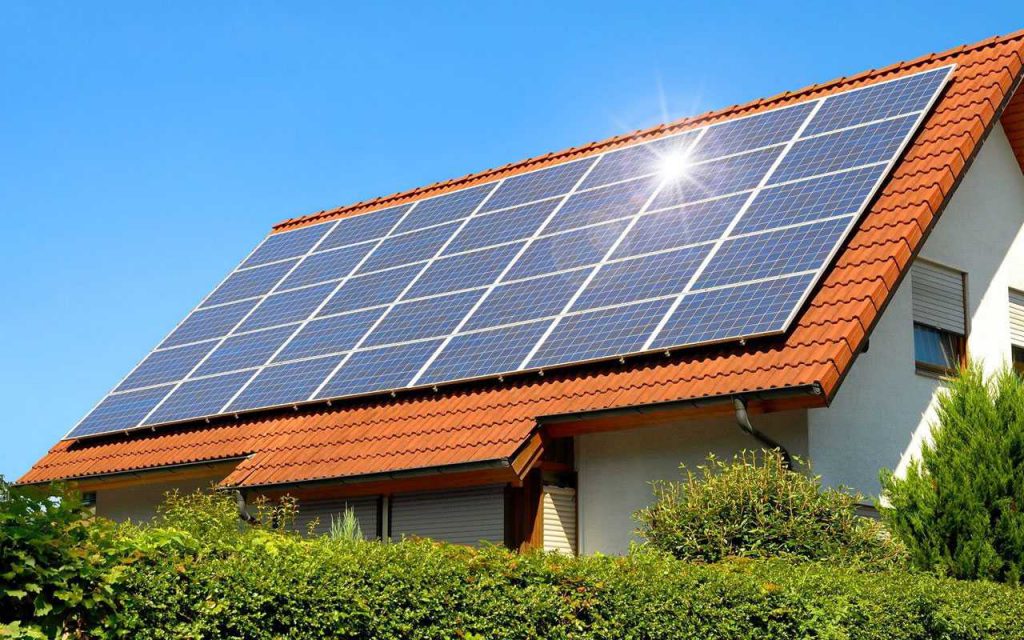
How the Roof Affects the Solar System
Modern technologies allow photovoltaic panels to be installed on various types of roofs. Metal, tile, and flat roofs can all be suitable when the structure is sound and the installation is tailored to the specific material. A preliminary inspection helps in choosing the safest and most effective technical solution.
Photovoltaic panels capture solar energy and convert it into electricity that can be used for the needs of a home, business, or industrial facility.
“A well-designed solar system turns free solar energy into a predictable benefit for years to come.”
Planning involves analyzing the roof’s exposure, as well as the presence of chimneys, trees, and neighboring buildings that may create shade. Even partial shading affects production, so the correct placement of modules and the selection of appropriate equipment are key to a good result.
Investing in a solar system offers more than just the opportunity to reduce electricity costs. It increases the energy independence of the facility and supports the transition to a more sustainable consumption model. Custom design ensures that the capacity, equipment, and installation meet the client’s actual needs.

